
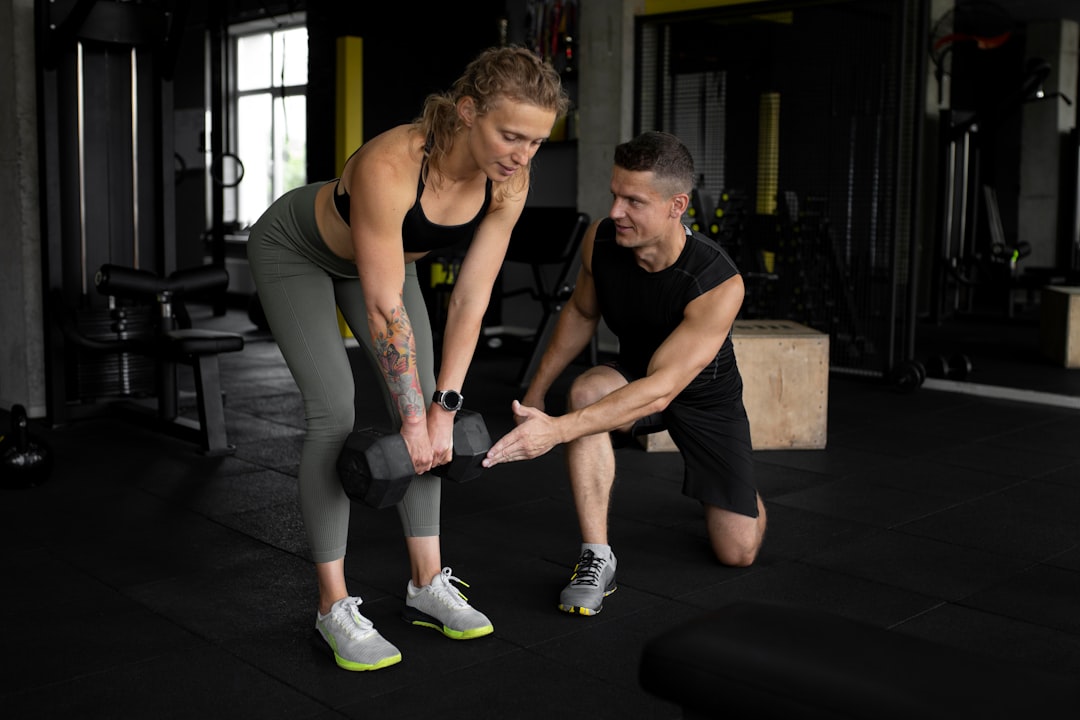
Mobility and flexibility represent foundational movement qualities that enhance performance, reduce injury risk, and improve quality of life. Despite their importance, many fitness enthusiasts neglect systematic mobility training in favor of strength and conditioning work. Understanding the distinction between mobility and flexibility, along with evidence-based training methods, allows you to develop superior movement quality that supports all physical activities.
Mobility Versus Flexibility
While often used interchangeably, mobility and flexibility describe distinct movement characteristics. Flexibility refers to a muscle's passive range of motion, essentially how far a joint can move when external forces create the movement. Mobility encompasses flexibility plus strength, coordination, and control throughout a range of motion, representing your ability to actively move joints through their full functional range.
You might possess excellent hamstring flexibility demonstrated by touching your toes while seated, yet have poor hip mobility evidenced by inability to maintain an upright torso during squats. This distinction matters because functional movement requires controlled mobility rather than passive flexibility alone. Training must address both passive range limitations and active control deficits.
Joint mobility depends on multiple factors including muscle length, fascial restrictions, joint capsule integrity, neuromuscular coordination, and movement patterns. Comprehensive mobility development addresses all these components rather than focusing exclusively on static stretching that only influences muscle length.
Benefits of Mobility Training
Adequate mobility enables proper exercise technique that maximizes training effectiveness while minimizing injury risk. Restricted ankle mobility prevents achieving proper depth in squats, forcing compensatory movement patterns that stress knees and lower back. Limited shoulder mobility compromises overhead pressing mechanics, increasing impingement risk and reducing force production.
Enhanced mobility improves movement efficiency, reducing energy expenditure during activities. Good hip mobility allows fluid running mechanics with optimal stride length and reduced ground contact time. Superior thoracic spine mobility enables efficient rotation in sports requiring twisting movements. These efficiency gains translate to better performance and reduced fatigue.
Mobility training reduces injury risk through multiple mechanisms. Adequate range of motion distributes force across joints evenly rather than concentrating stress at end ranges. Good mobility maintains joint health by facilitating synovial fluid circulation that nourishes cartilage. Movement variety inherent in mobility work strengthens tissues across different positions, creating resilience to varied demands.
Daily function improves substantially with good mobility, making activities like bending to tie shoes, reaching overhead cabinets, or looking over your shoulder while driving easier and more comfortable. Maintaining mobility becomes increasingly important with aging as natural range of motion tends to decrease without regular training.
Assessment and Testing
Identify your specific mobility limitations through systematic assessment before implementing training. The functional movement screen or similar assessment batteries reveal asymmetries and restrictions requiring attention. Common limitation patterns include restricted ankle dorsiflexion, tight hip flexors, limited thoracic spine rotation, and restricted shoulder flexion.
Simple self-assessments provide valuable information about mobility status. For ankle mobility, kneel with toes approximately five inches from a wall and attempt touching your knee to the wall while keeping your heel down. Inability to touch the wall indicates restricted ankle dorsiflexion requiring attention. The sit-and-reach test assesses hamstring and lower back flexibility, though it doesn't distinguish between these areas.
Assess shoulder mobility by attempting to touch your hands together behind your back, reaching one hand over your shoulder and the other up from your lower back. Significant gaps between hands suggest shoulder mobility restrictions. Document these assessments to track improvement over time and identify areas requiring focused attention.
Dynamic Warm-Up Protocols
Dynamic mobility work serves as ideal warm-up preparation before training. Unlike static stretching which temporarily reduces force production, dynamic movements increase body temperature, enhance nervous system activation, and improve range of motion without impairing performance. Implement dynamic warm-ups lasting eight to twelve minutes before every training session.
Begin with general aerobic activity like light jogging or cycling for three to five minutes, elevating heart rate and body temperature. Progress to dynamic stretches addressing major movement patterns relevant to your upcoming workout. Leg swings, walking lunges with rotation, arm circles, and torso twists prepare multiple joints and movement patterns.
Movement-specific preparation follows general dynamic work. Before squatting, perform bodyweight squats with gradually increasing depth and tempo variations. Before overhead pressing, execute light shoulder mobilization including wall slides and band pull-aparts. This progressive specific preparation optimizes performance while further increasing mobility.
Static Stretching Applications
Static stretching holds positions at end range for extended durations, typically fifteen to sixty seconds per stretch. While less appropriate before training due to temporary strength reductions, static stretching effectively improves flexibility when performed post-workout or during dedicated flexibility sessions. The relaxed state following training provides an ideal window for static stretching.
Target major muscle groups with static stretches, particularly areas demonstrating restrictions during assessment. Hold stretches to the point of mild tension without pain, breathing deeply throughout the duration. Avoid bouncing or forcing range of motion, as these aggressive approaches increase injury risk without enhancing effectiveness.
Consistency matters more than duration for static stretching. Daily brief stretching sessions produce better results than infrequent prolonged sessions. Even five to ten minutes of targeted stretching daily creates measurable improvements over weeks. Consider stretching while watching television or during work breaks to accumulate sufficient volume without requiring dedicated training time.
Mobility Drills and Techniques
Controlled articular rotations systematically move joints through their available range using muscular control rather than momentum or external force. These movements enhance active mobility and neuromuscular coordination. Perform CARs slowly and deliberately, completing five to ten repetitions daily for joints requiring mobility improvement.
Foam rolling and self-myofascial release reduce muscle tension and fascial restrictions limiting mobility. Spend one to two minutes per area, moving slowly and pausing on particularly tender spots. While uncomfortable, foam rolling shouldn't cause severe pain. Combine foam rolling with static stretching for enhanced flexibility improvements.
Contract-relax stretching uses muscular contraction followed by relaxation to enhance stretch effectiveness. Assume a stretched position, contract the stretched muscle isometrically for five to ten seconds, then relax and deepen the stretch. This technique often produces greater range of motion improvements than static stretching alone through neurological mechanisms reducing protective muscle tension.
Yoga and Mobility
Yoga provides structured mobility training combining flexibility, strength, balance, and breathing work. Regular yoga practice improves mobility across multiple joints while developing body awareness and movement control. Various yoga styles offer different emphases, with Hatha and Yin yoga particularly beneficial for flexibility development.
Yoga's systematic approach to mobility training makes it accessible for those who struggle with self-directed mobility work. Following along with classes, whether in-person or online, removes decision-making about exercise selection and programming. The community aspect of group classes also enhances adherence for many practitioners.
Integrate yoga as complementary training one to three times weekly, or use it as active recovery on rest days from intense training. Even short fifteen-minute yoga sessions provide mobility benefits while supporting recovery. Consistency matters more than session duration or advanced pose achievement.
Maintaining Mobility Gains
Mobility improvements reverse relatively quickly without maintenance work. Range of motion gained through dedicated mobility training diminishes within weeks of stopping practice. Regular movement through full ranges of motion maintains mobility more effectively than periodic intensive stretching.
Incorporate mobility work into daily routines to ensure consistency. Morning mobility flows prepare your body for the day ahead while maintaining range of motion. Evening stretching promotes relaxation and recovery while preserving flexibility. These brief daily practices require only ten to fifteen minutes but produce substantial cumulative benefits.
Strength training through full ranges of motion serves as mobility maintenance while building strength. Deep squats, Romanian deadlifts, and overhead pressing maintain lower body, posterior chain, and shoulder mobility respectively while developing strength. This approach efficiently combines mobility and strength training into integrated practices.
Conclusion
Mobility and flexibility training represent essential yet often neglected components of comprehensive fitness programming. By understanding the distinction between passive flexibility and active mobility, implementing appropriate assessment and training methods, and maintaining consistency with both dynamic and static approaches, you develop superior movement quality that enhances performance and reduces injury risk. Remember that mobility development requires patience, as meaningful improvements accumulate gradually over weeks and months. Integrate mobility work into your regular training routine rather than treating it as optional supplementary work. The investment in mobility training pays dividends through improved exercise technique, enhanced performance, reduced injury risk, and better quality of life both now and as you age.